Marianne will be hosting a homebirth gathering focusing on preparation for birth. This gathering is for expectant couples and mothers alike; anyone who is going to be welcoming a new baby into the world.
Homebirth Gathering, 25th September 2022
Marianne will be hosting a homebirth gathering focusing on preparation for birth. This gathering is for expectant couples and mothers alike; anyone who is going to be welcoming a new baby into the world.
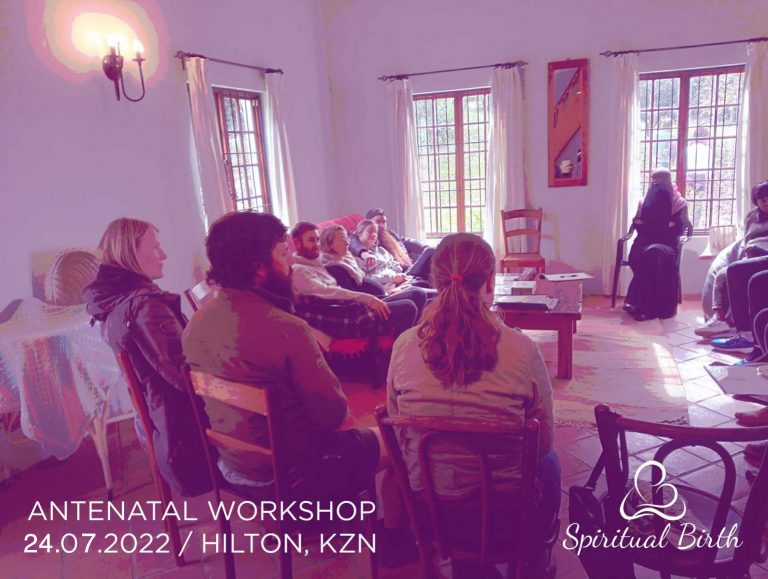
We are pleased to present an exclusive interactive antenatal workshop on 24.07.2022 for 5 couples in Hilton, KwaZulu-Natal. The focus will be to equip expecting couples with the knowledge to navigate the terrain around their birth choices with confidence and help them to achieve their dream of a positive birth experience!
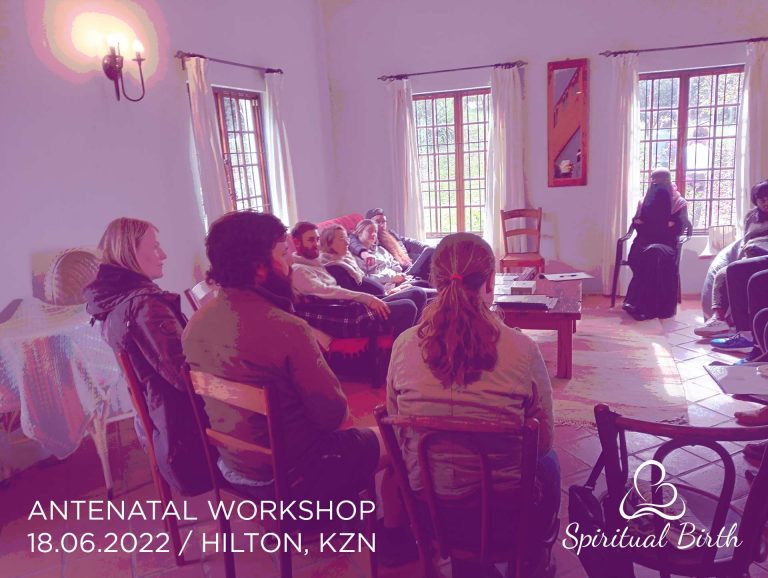
We are pleased to present an exclusive interactive antenatal workshop for 5 couples in Hilton, KwaZulu-Natal. The focus will be to equip expecting couples with the knowledge to navigate the terrain around their birth choices with confidence and help them to achieve their dream of a positive birth experience!

Home birth is a safe option for healthy low risk mothers, with good outcomes and higher satisfaction ratings that hospital birth.
An overdue pregnancy and unassisted birth ended in success!
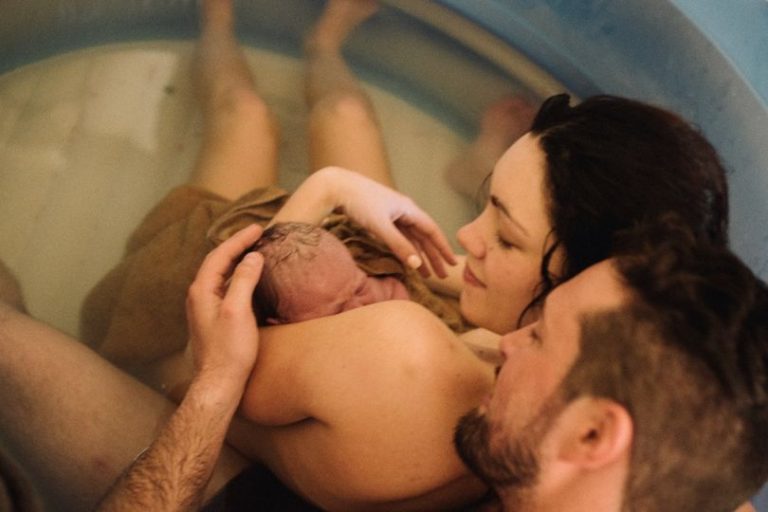
Home birth is the opportunity to discover a relationship with the forces of nature both within and around us.
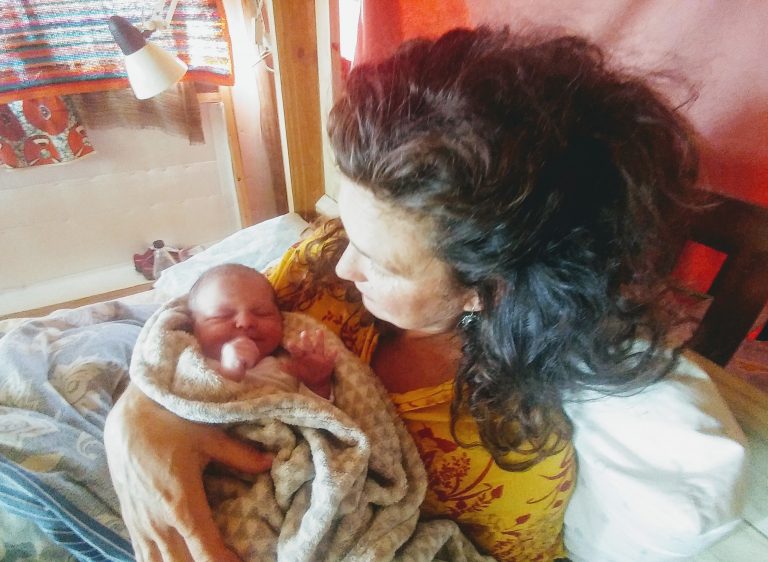
This is the story of a humbling birth with history. Caroline had hoped for a homebirth for her first baby boy and instead of fulfilling her dreams, gave birth by a needed caesarian section. Caroline, a personal trainer by profession, had fallen on her sacrum and coccyx in her twenties, not once but several times …